
The British period in Malta spanned from 1800 to 1964, during which the island was part of the British Empire. Below are key highlights and events from this era.
A Timeline of Maltese History

British Arrival & Strategic Importance
In September 1800, Maltese rebels, supported by the British, ousted the French after enduring two years of harsh occupation.
Following the Suez Canal’s opening in 1869, Malta’s naval significance surged, solidifying its role as a strategic fortress.
Key Developments:
- 1883- Launch of the Maltese Railway
- 1885- First Maltese Postal stamps issued
- 1905- Introduction of a tram system
- 1912- Dun Karm Psaila writes his first poem in Maltese

World Wars & Social Unrest
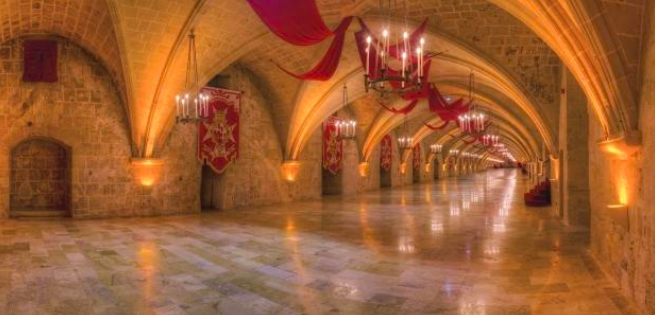
During World War I (1915–1918), Malta, with its Sacra Infermeria hospital, became a crucial medical hub.
Post-war discontent led to the Sette Giugno riot on 7 June 1919, when British troops fired on protesters, tragically killing four Maltese civilians.
In 1921, Malta achieved limited self-government. The same year, Francisco Buhagiar became the first Maltese Prime Minister, and the national anthem (Innu Malti) was publicly performed in 1923
Royal Connections & Cultural Legacy
From 1964 to 1974, Queen Elizabeth II was officially Queen of Malta.
The Express reported Malta was among the Queen's Favorite travel destinations.
The young Queen Elizabeth and Prince Philip lived in Malta during the early years of their marriage.
Meghan Markle, Duchess of Sussex, has Maltese heritage: her great-great-grandmother Mary was born in 1862 in Malta. Meghan once said:
“This morning, for breakfast, I tried the pastizzi with peas and ricotta. Oh my goodness, they’re delicious.”
Architectural & Institutional Imprint
British influence transformed Malta in various ways:
-
Construction of neoclassical and neo‑Gothic buildings—including the grand St Paul’s Pro‑Cathedral in Valletta and the Gothic Santa Maria Addolorata Chapel.
-
Enhancement of the island’s fortifications, notably Fort Lascaris (built 1854–56) and other coastal defences.
-
Advances in education, medicine, agriculture, and industry, and the adoption of English as one of Malta’s official languages in 1936
Legacy & Independence
Under British rule, Malta became firmly rooted in common-law traditions, parliamentary governance, and a service-oriented civil structure. In 1964, Malta regained independence. However, the cultural, legal, and linguistic influence of Britain remains deeply embedded in modern Maltese society
More About the British Period
